Stranger Than Fiction News · November 25, 2026 · Investigative analysis
America's digital fire sale: CIA, FBI and Treasury breaches expose a national security crisis
From WP2Shell to PHP2Shell: has Washington underestimated one of the most dangerous cyber threats of 2026?
By Stranger Than Fiction News, the media branch of Agentic Web Services · Sources at the end of this page
The Central Intelligence Agency has been breached. The Office of the Director of National Intelligence has been breached. Multiple cybersecurity incidents have been reported at the FBI, while the US Treasury's Financial Crimes Enforcement Network has disclosed another security incident.
These revelations follow a multiday outage of the National Security Agency's classified communications infrastructure, widespread technological disruptions and documented exploitation of enterprise security gateways.
Washington's assurances that the CIA incident involved unclassified information provide little comfort from a cybersecurity engineering perspective. The classification of an exposed database does not establish the boundaries of a network intrusion.
The fundamental question is not simply what information officials acknowledge was exposed, but what an attacker could have accessed before detection.
From WP2Shell to PHP2Shell
The evolution of remote-code-execution vulnerabilities from application-specific attacks toward the underlying PHP runtime represents a significant expansion of the attack surface.
PHP2Shell, associated with CVE-2026-109618 and CVE-2026-109619, threatens vulnerable infrastructure far beyond conventional WordPress websites.
Check Point has documented attackers exploiting vulnerable enterprise security gateways, combining PHP2Shell with privilege escalation to obtain elevated access.
The very infrastructure entrusted with protecting organizations against external threats has itself become an attack surface.
Once attackers establish persistent privileged access, installing a security patch does not necessarily remove their existing foothold.
The original vulnerability may be closed while the underlying compromise remains.
How the family evolved
WP2Shell
A WordPress core chain (CVE-2026-63030 + CVE-2026-60137): code execution with no login and no plugin. Wordfence reports more than 11 million blocked attempts.
PHP2Shell
Two engine flaws (CVE-2026-109618, CVE-2026-109619). Every PHP server answering web requests is exposed. On PHP-FPM, session upload progress, on by default, gives confirmed code execution. Added to CISA's exploited list on October 26.
Into the gateways
PHP2Shell chained with a Check Point privilege escalation (CVE-2026-123039) to take root on unpatched security gateways, plant a backdoor and, in some cases, wipe virtualization hosts.
Weaponized
Attempts in the millions from a Mirai-family botnet, an AI-augmented credential-harvesting campaign, and a suspected China-linked crew rooting servers and firewalls on its way to a US government-affiliated network.
phpAfterShell
CVE-2026-126714, CVSS 9.2. The October patch closed the known path but left the session file write unsafe when a worker crashes. Sites patched in October were exposed again.
End-of-life PHP
PHP 7.4 to 8.1 get no upstream fix, yet thousands of business and public-sector servers still run them.
Two weeks of digital disruption
Although these incidents have not been established as a single coordinated campaign, their concentration warrants an independent investigation into common software, contractors, authentication infrastructure and security appliances.
What could Chinese intelligence have obtained?
Under a worst-case scenario involving a sophisticated state-sponsored adversary, persistent privileged access could expose considerably more than the contents of an initially compromised application. The potential intelligence losses include:
- Intelligence collection priorities: American analytical interests, surveillance priorities, monitoring objectives and areas of geopolitical concern.
- Commercial intelligence capabilities: satellite imagery providers, data brokers, analytical platforms and the methodologies used to transform public information into actionable intelligence.
- Personnel and contractor information: organizational relationships, privileged users, technical administrators and potentially sensitive professional associations.
- Network architecture: internal infrastructure maps, security configurations, interagency dependencies and trusted communications relationships.
- Authentication infrastructure: exposed service credentials, authentication tokens, certificates and other secrets that could permit continued unauthorized access.
- Counterintelligence information: investigative priorities, monitored organizations and indicators of American awareness of foreign intelligence operations, where accessible.
- Financial intelligence: sensitive investigative information, financial relationships and monitoring capabilities if the relevant systems were compromised.
- Intelligence integrity: the potential ability to alter accessible analytical data, undermining the reliability of subsequent intelligence assessments.
None of these worst-case losses should be treated as confirmed without forensic evidence. They represent the categories that investigators must urgently account for.
If you run WordPress, read this
WordPress itself was fully compromised this year. The flaw was baked into the core software every WordPress site runs: WP2Shell struck WordPress core in July, then PHP2Shell and phpAfterShell went under every PHP server that runs it. It came straight from the source. A stock install, with no plugins at all, was taken over through WordPress core, and the official default themes that ship with it, Twenty Twenty-Four among them, became drop points for backdoors right down to their templates and footers. That is how all three of our own WordPress servers were hit. The backdoors this family plants survive updates, cleanups and even full reinstalls, because a reinstall from the source puts the same weak code straight back. A patched site is not a clean one, and almost no owner today has real assurance that their current systems are secure.
If your business runs on WordPress or PHP, contact us immediately. We will test your exposure, hunt out what is already inside, and if your current host cannot give you a trustworthy server, move you to new, hardened hosting.
AGENTIC CYBER SECURITY
A super brain spy hunter.
For your whole enterprise.
Security testing and consulting by the team that beat this virus family first. We test your exposure, hunt what's already inside, cut the loop and hand you a report your auditors can use.
- PHP2Shell & phpAfterShell exposure test
- Package-level patch audit, every host
- Behavior hunt for planted shells
- Reinfection loop found and cut
- Credential rotation plan
- Hardening of PHP, uploads and sessions
- Written findings and remediation plan
- Consulting in English or French
for only
per day · enterprise customers
BOOK YOUR DAYMost cases can be done in a single day. Prices may vary based on infrastructure.
The Chinese precedent: Volt Typhoon and Salt Typhoon
The threat of Chinese state-sponsored penetration of American infrastructure is not hypothetical.
American security agencies have previously documented Volt Typhoon operations targeting communications, transportation, energy and water infrastructure. The stated concern was that these operations could establish persistent access in preparation for disruptive activity during a future geopolitical crisis.
Salt Typhoon operations targeting telecommunications infrastructure have further demonstrated the strategic value of compromising shared communications systems.
These precedents make Chinese intelligence involvement a legitimate investigative question in the current crisis. They do not, by themselves, identify the perpetrators of the November breaches.
Unclassified does not mean harmless
Modern intelligence operations rely extensively on commercially available data and open-source intelligence.
Individual pieces of information may be publicly available. The intelligence value lies in how those pieces are collected, correlated, interpreted and prioritized.
An adversary obtaining access to that analytical environment could potentially discover what American intelligence agencies know, what they are investigating and where their knowledge remains incomplete.
That distinction makes the phrase "unclassified information" an inadequate description of the potential strategic damage.
What the stolen systems hold. The breached CIA and ODNI system analyzes open-source intelligence: social media, satellite imagery and large commercial datasets, some bought from data brokers. Combined, that material amounts to detailed dossiers on the people it covers, and officials say data from other agencies was exposed too. Add the FBI's National Crime Information Center, entered the same week, and the Pentagon personnel breach disclosed this year (2.76 million living people, Social Security numbers included), and whoever holds all of it holds the digital footprint of millions of Americans: who they are, where they go, who they know, and what their own government knows about them.
No one has yet named the intruder or said what left the network. But if these breaches lead to Beijing, as the 2015 theft of 21.5 million security-clearance files did, the worst case is stark: Chinese intelligence would hold the most complete dossier on Americans ever assembled, compiled by American agencies themselves. That is why "unclassified" is no comfort.
Patching is not eviction
A security patch cannot establish that an adversary has been removed from a compromised network.
Restoring confidence requires independent forensic investigation, verification of system integrity, credential replacement, examination of persistent access mechanisms and, where necessary, reconstruction of affected infrastructure from trusted sources.
Congress should demand answers:
- How long were vulnerable systems exposed?
- Were attackers able to obtain administrative privileges?
- Which credentials and trust relationships were potentially compromised?
- What evidence establishes that classified infrastructure remained isolated?
- Were affected systems rebuilt or merely patched?
- Has an independent investigation verified that persistent access was eliminated?
- Are common contractors or technological dependencies involved in multiple incidents?
Without answers to these questions, assurances of containment remain difficult for the public to independently evaluate.
The real-world fire sale
The 2007 film Live Free or Die Hard depicted a coordinated cyber offensive against transportation, finance, communications and essential infrastructure.
Nearly two decades later, the technological dependencies capable of producing comparable cascading failures are real.
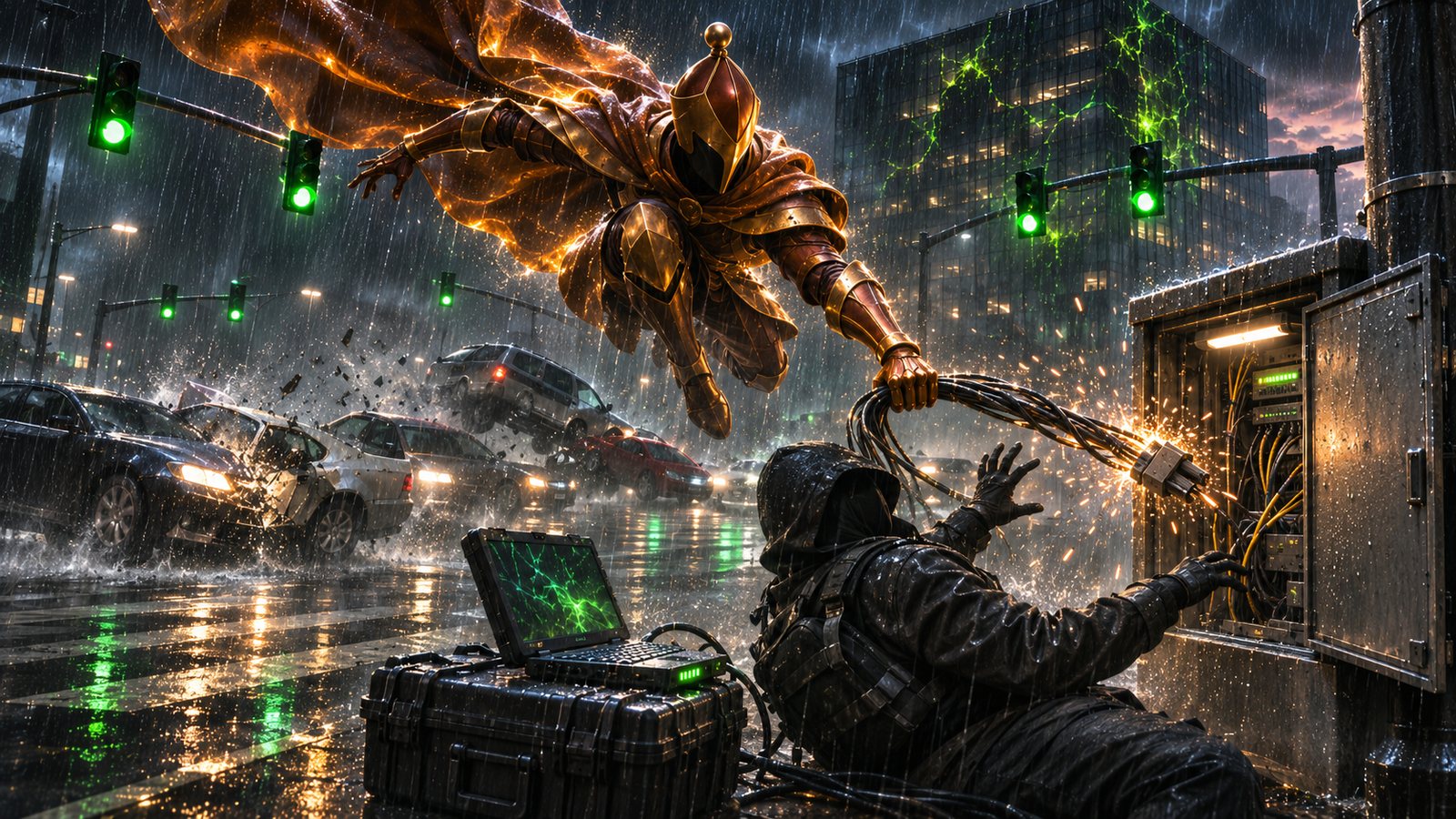
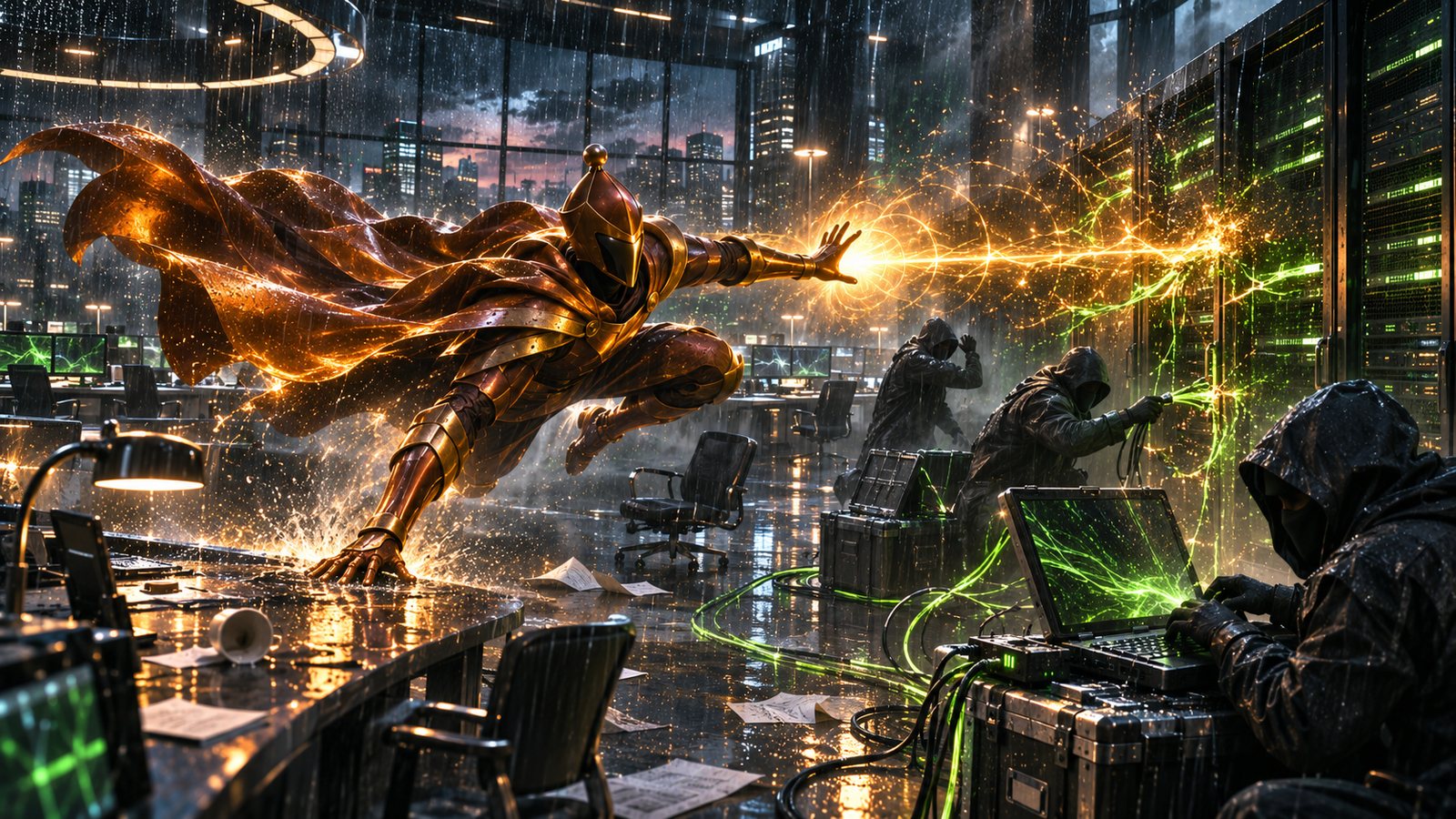
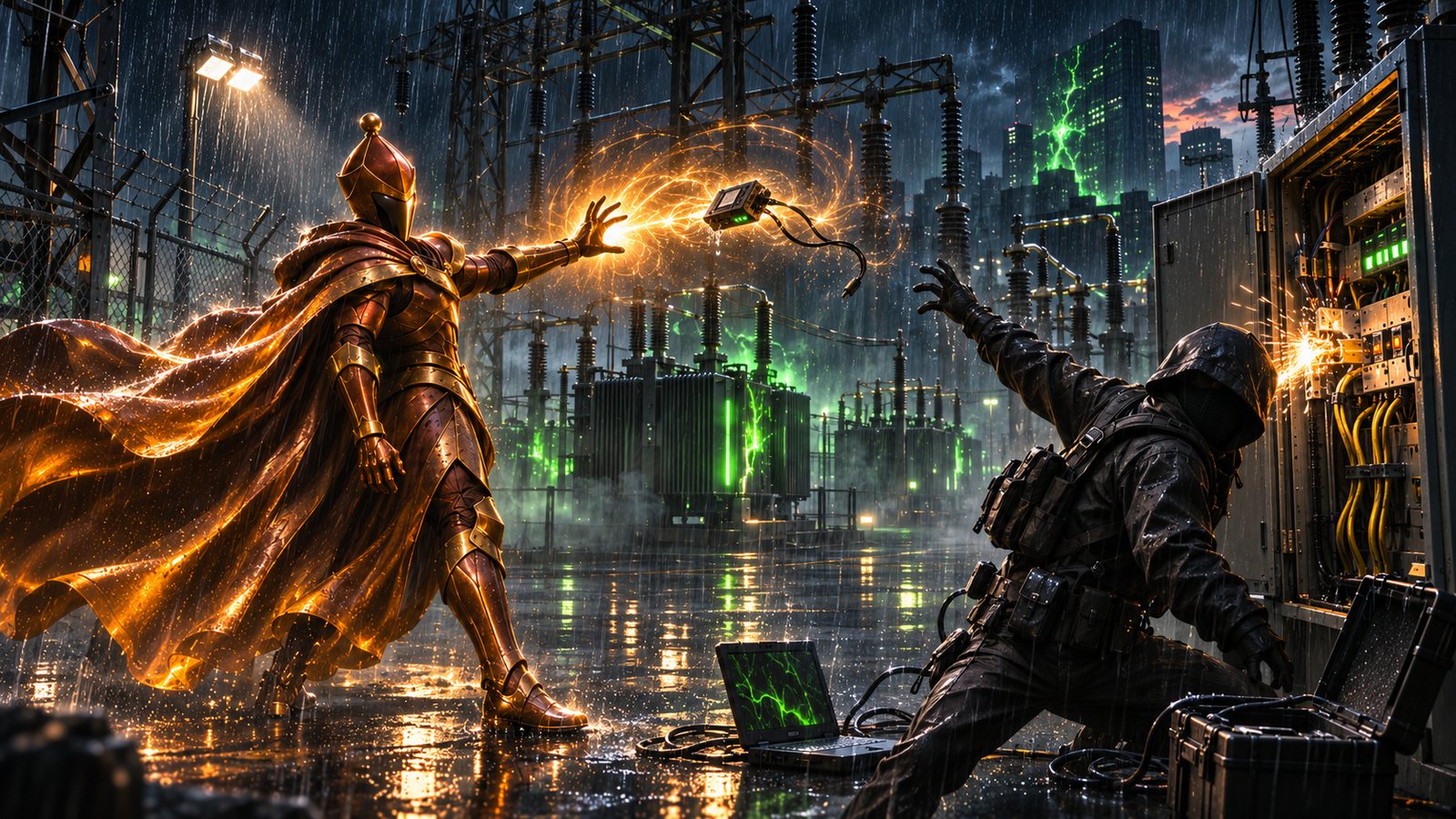
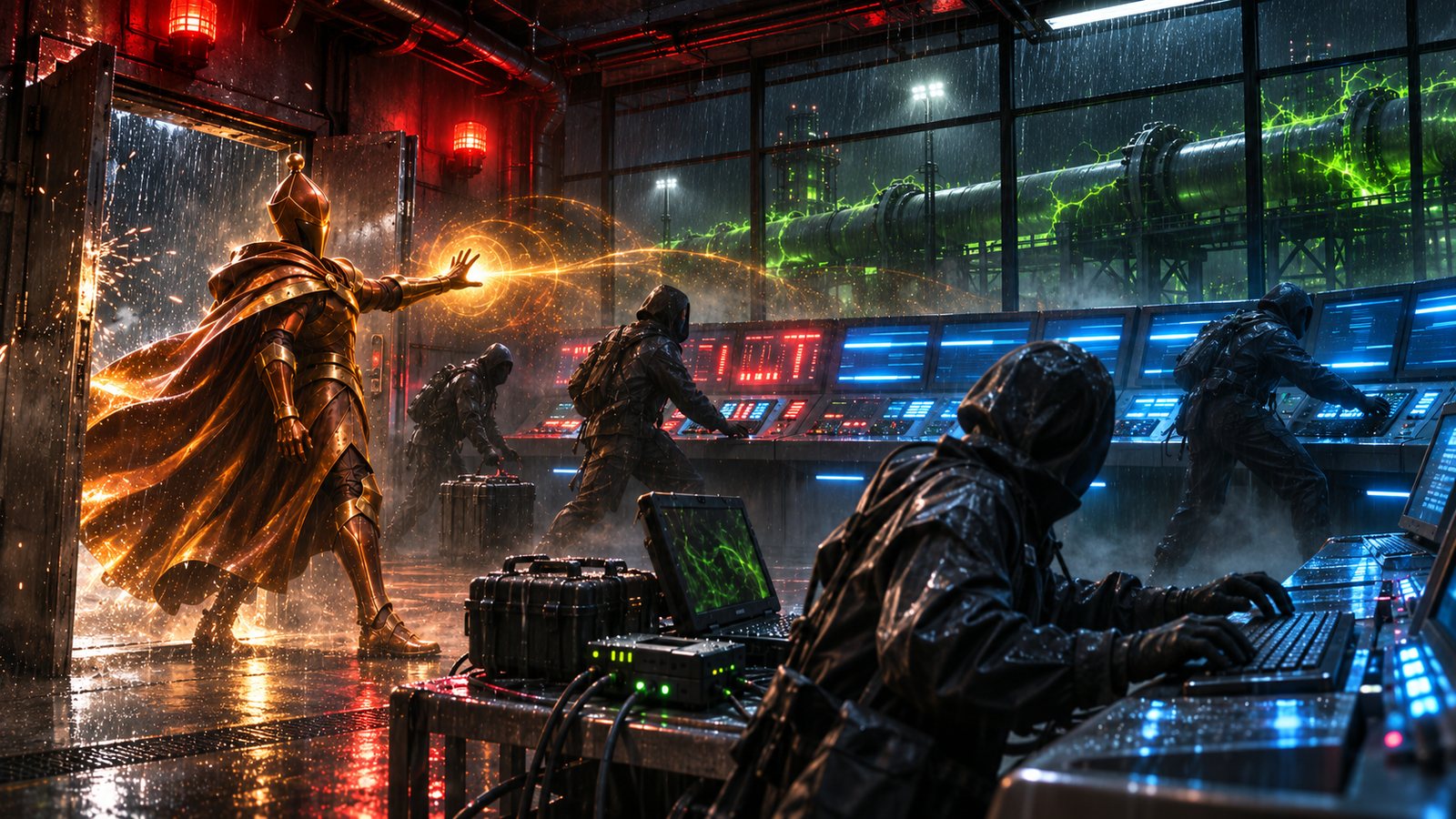
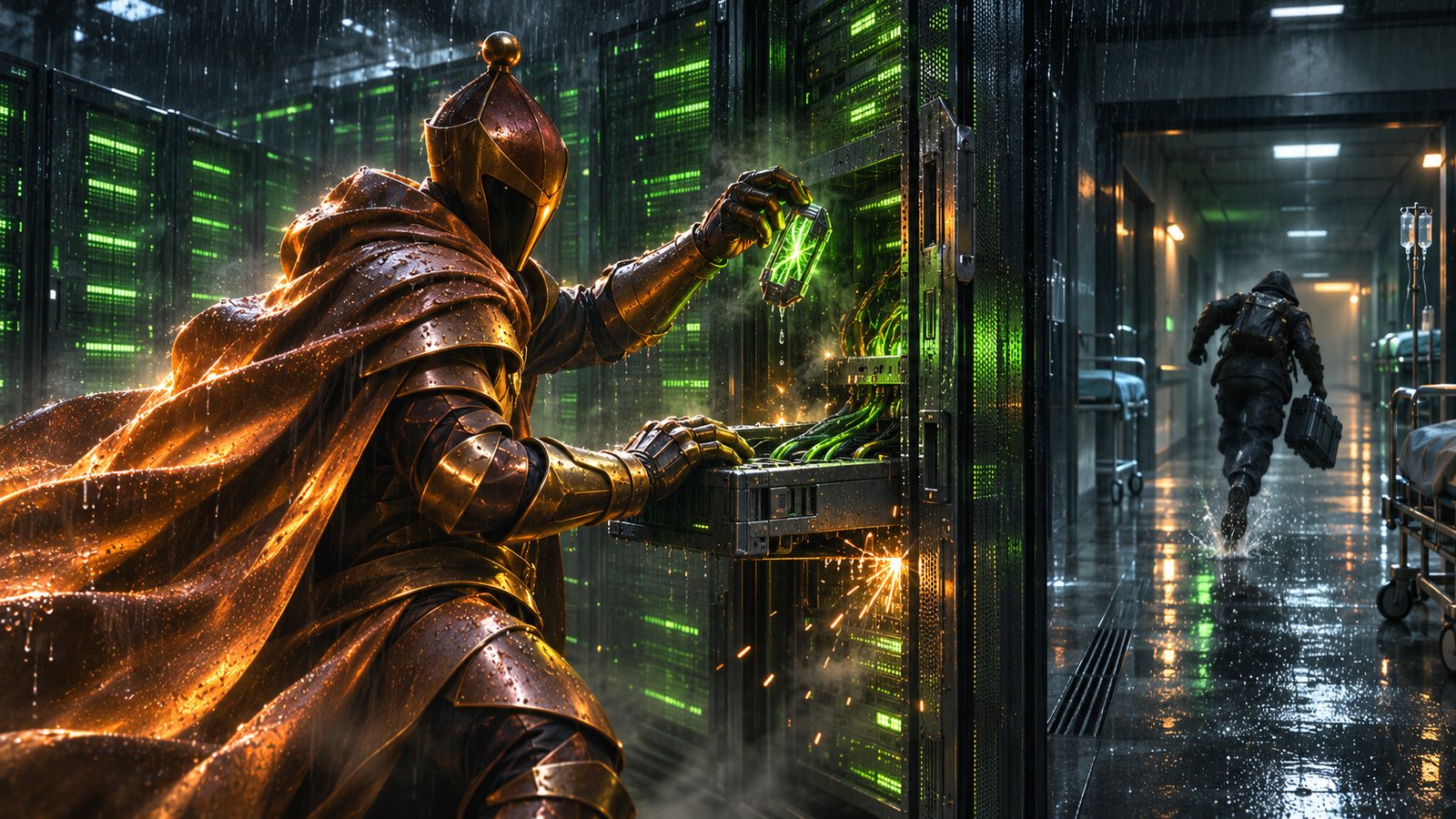
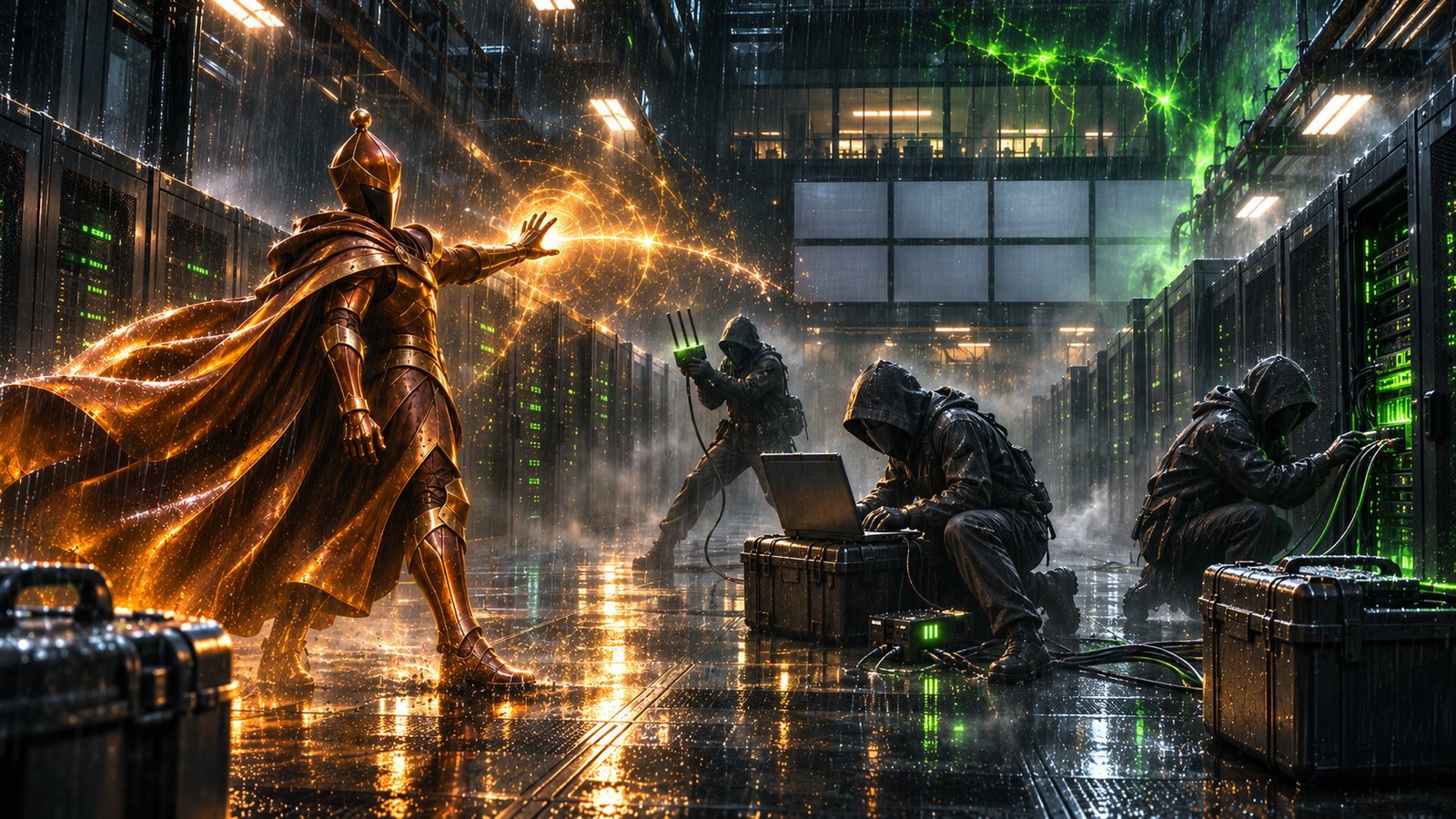
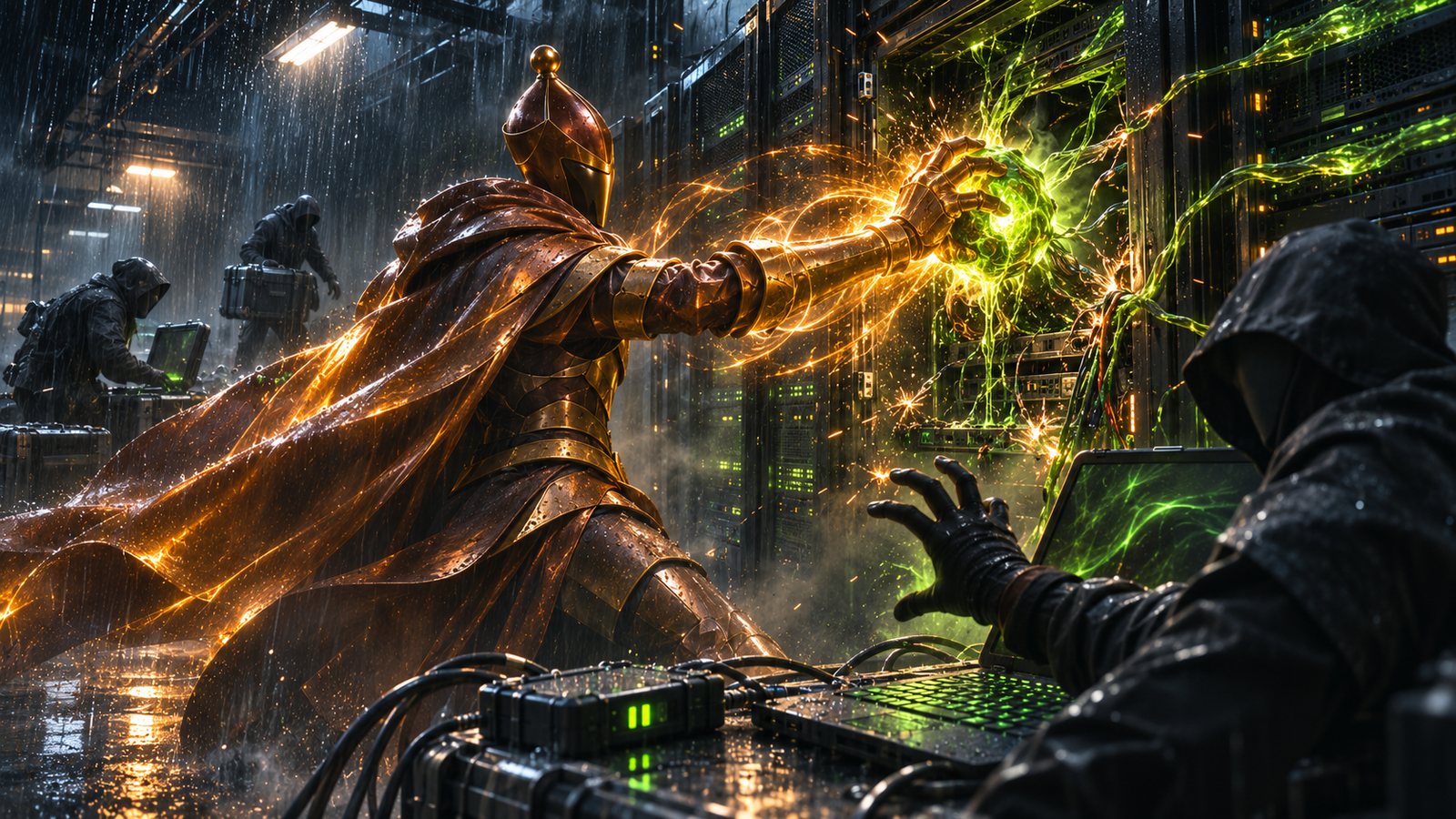
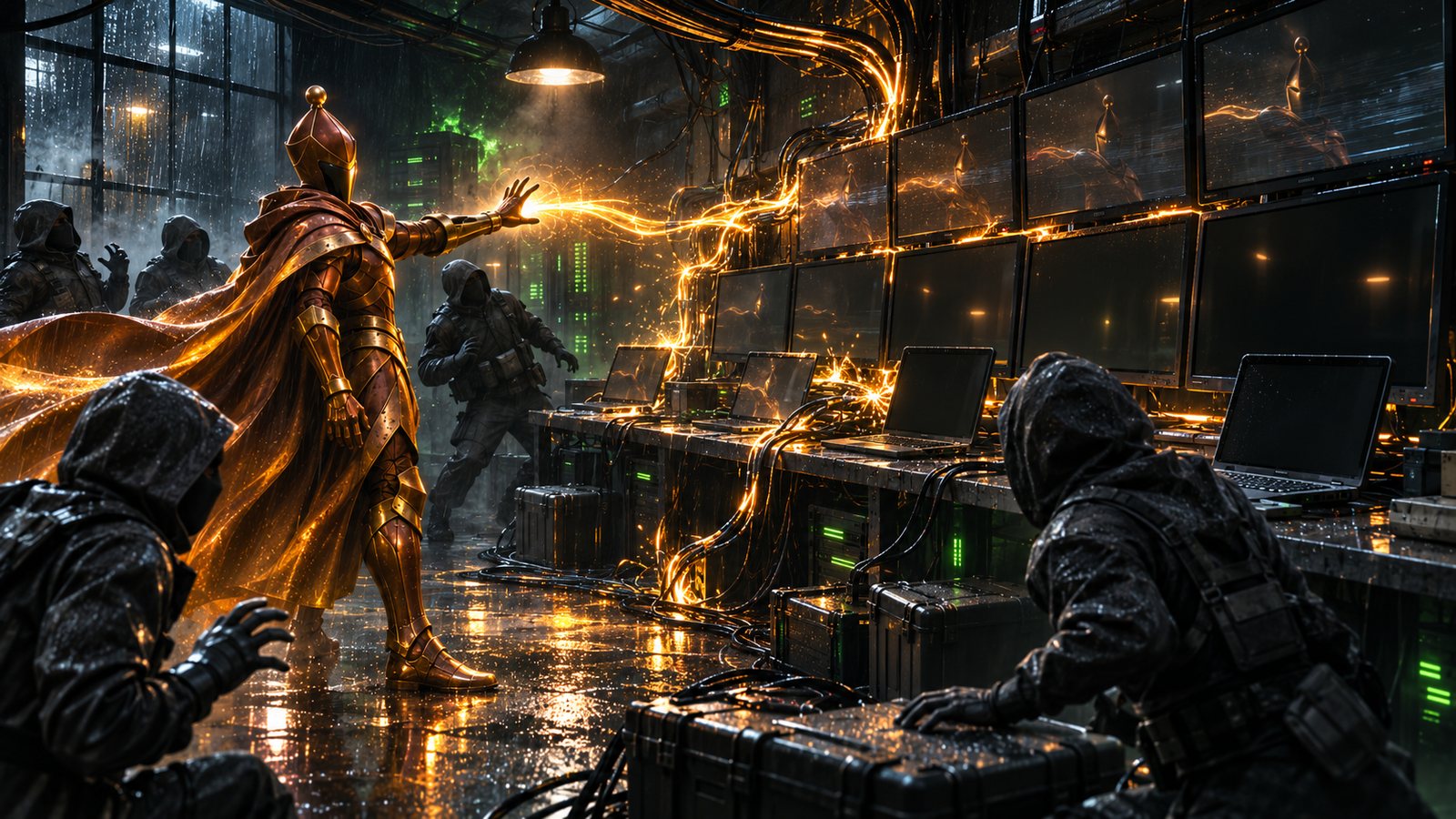
Illustrations of what shared dependencies put at risk, not depictions of specific incidents.
The danger is not necessarily thousands of individual attacks. It is the compromise of foundational technologies upon which thousands of organizations depend.
America must investigate whether its recent disruptions represent isolated incidents, common architectural weaknesses or something more coordinated.
The burden of demonstrating that compromised infrastructure is trustworthy belongs to the organizations responsible for securing it.
Assume breach. Demand evidence. Restore the entire chain of trust.
National security cannot be restored through public relations alone.