ENGINEERING
Concept to contractor brief.
Compare materials, assemblies and manufacturing options. Specify concept CAD, annotated drawings, a bill-of-materials framework and acceptance criteria where applicable.
Prepare an engineering mission ↗THE NEXT QUESTION IS YOURS
A computational research lab for every field. Turn a question into competing perspectives, traceable evidence and a report you can keep refining.
AI-generated Codex narration · illustrated workflowATLAS CAD · TRON STAGE · ENGINEERING & BIOTECH
Bring the evidence, the design constraints and the outcome you need. Build a project around competing research reports, concept geometry and a documented handoff.
ONE PROJECT. MULTIPLE VIEWS.
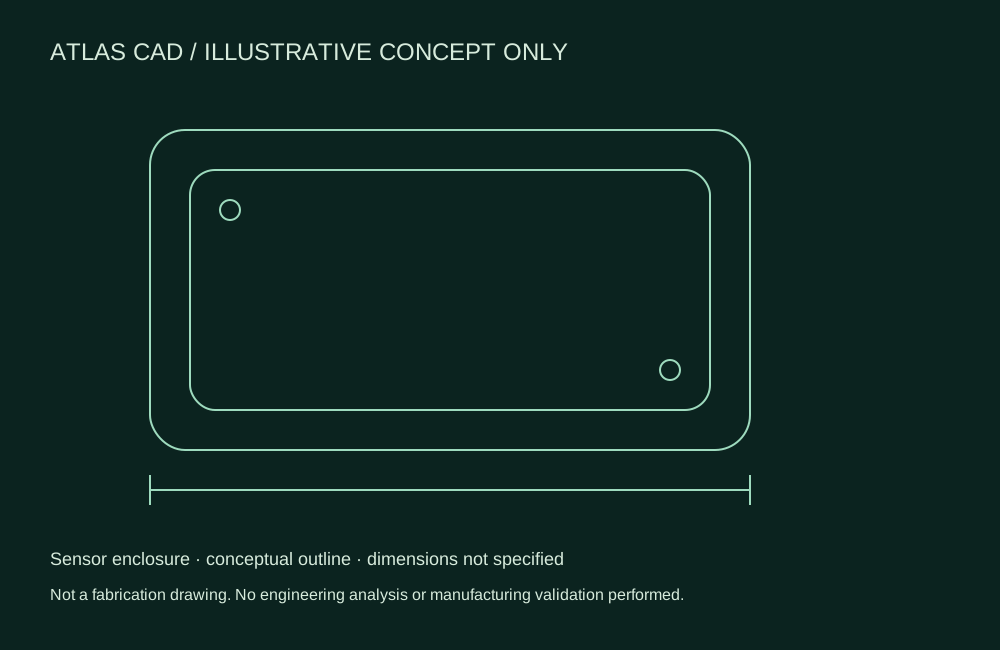
Use the stage to explain a concept, the drawing to communicate dimensions, and the report to show why a design was chosen. This preview illustrates the deliverable formats; project geometry is produced and reviewed for the specific brief.
ENGINEERING
Compare materials, assemblies and manufacturing options. Specify concept CAD, annotated drawings, a bill-of-materials framework and acceptance criteria where applicable.
Prepare an engineering mission ↗BIOTECH
Map primary literature, compare mechanisms, audit computational structures and define falsification tests. Separate proposed designs, measured results and the work a laboratory must perform.
Prepare a biotech mission ↗DOCUMENTS & IP
Research reports, source ledgers, prior-art maps, patent-application drafts and technical specifications. Preserve original council reports and the decisions behind the unified document.
Prepare a document mission ↗CONTRACTOR HANDOFF
Mechanical CAD, prototyping, machining and additive manufacturing. Package drawings, tolerances to validate and quote questions.
Assay development, analytical chemistry and independent validation. Package the hypothesis, controls, endpoints and go/no-go gates.
Patent professionals, engineering reviewers and regulatory specialists. Package provenance, design history and review questions.
Contractor categories are a handoff guide. No named contractor, availability, quote or partnership is asserted here. Your mission can include a sourced shortlist; appointment and professional sign-off remain separate.
SCIENTIFIC JOURNAL OF BIOLOGY AND TECHNOLOGY · 5 NOVEMBER 2026
Read the latest deposited branch papers, published corrections and defensive prior art. These are computational research records, not demonstrated treatments.
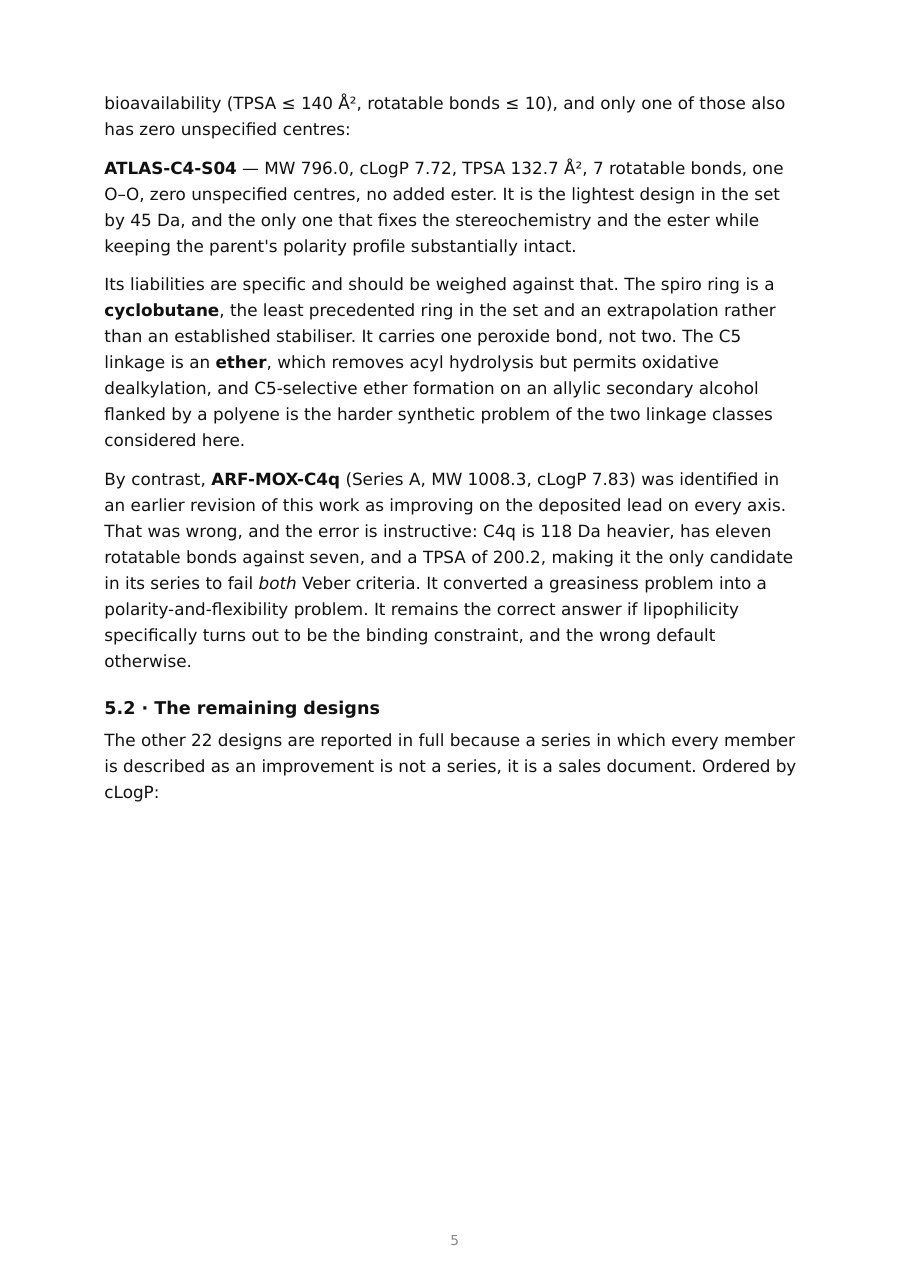
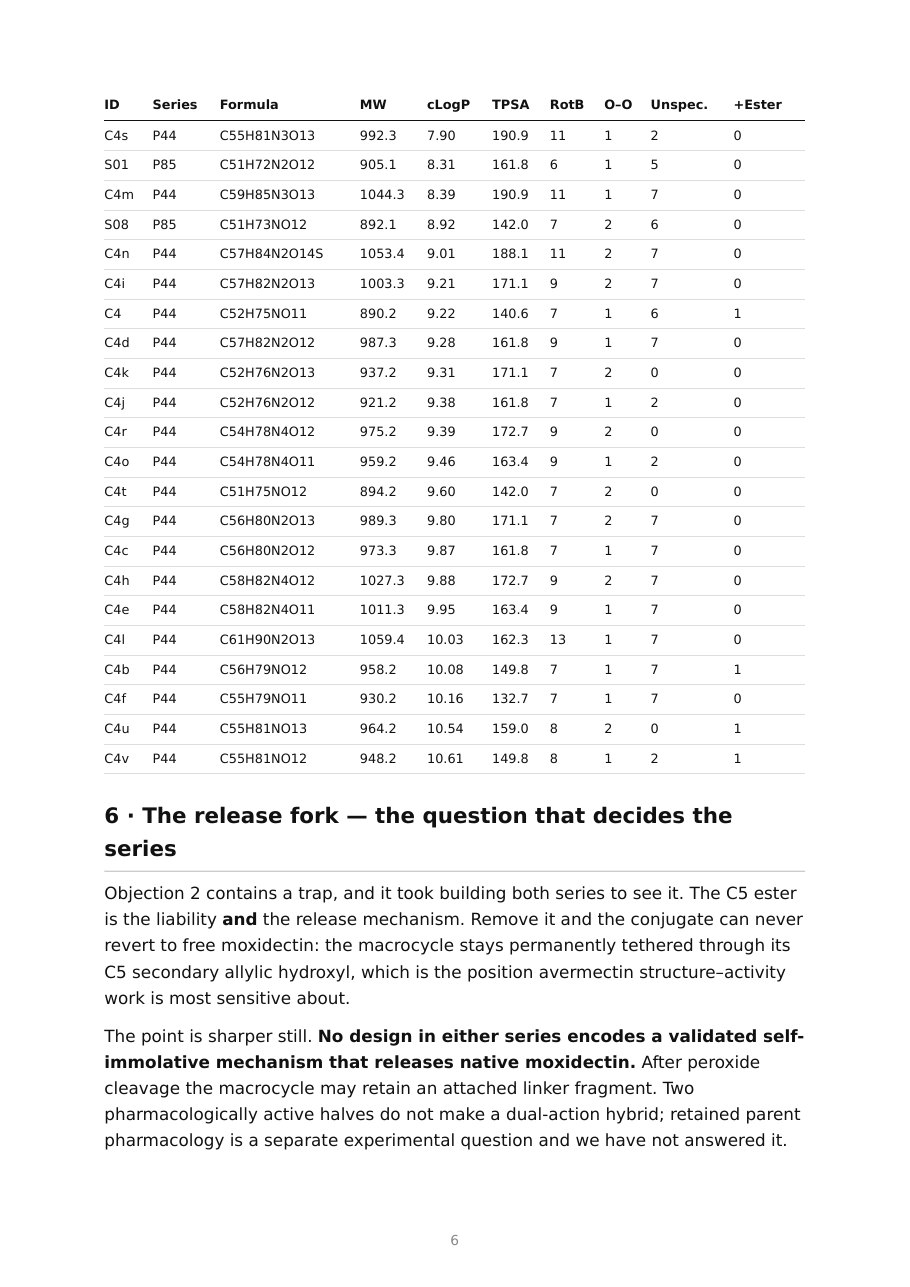
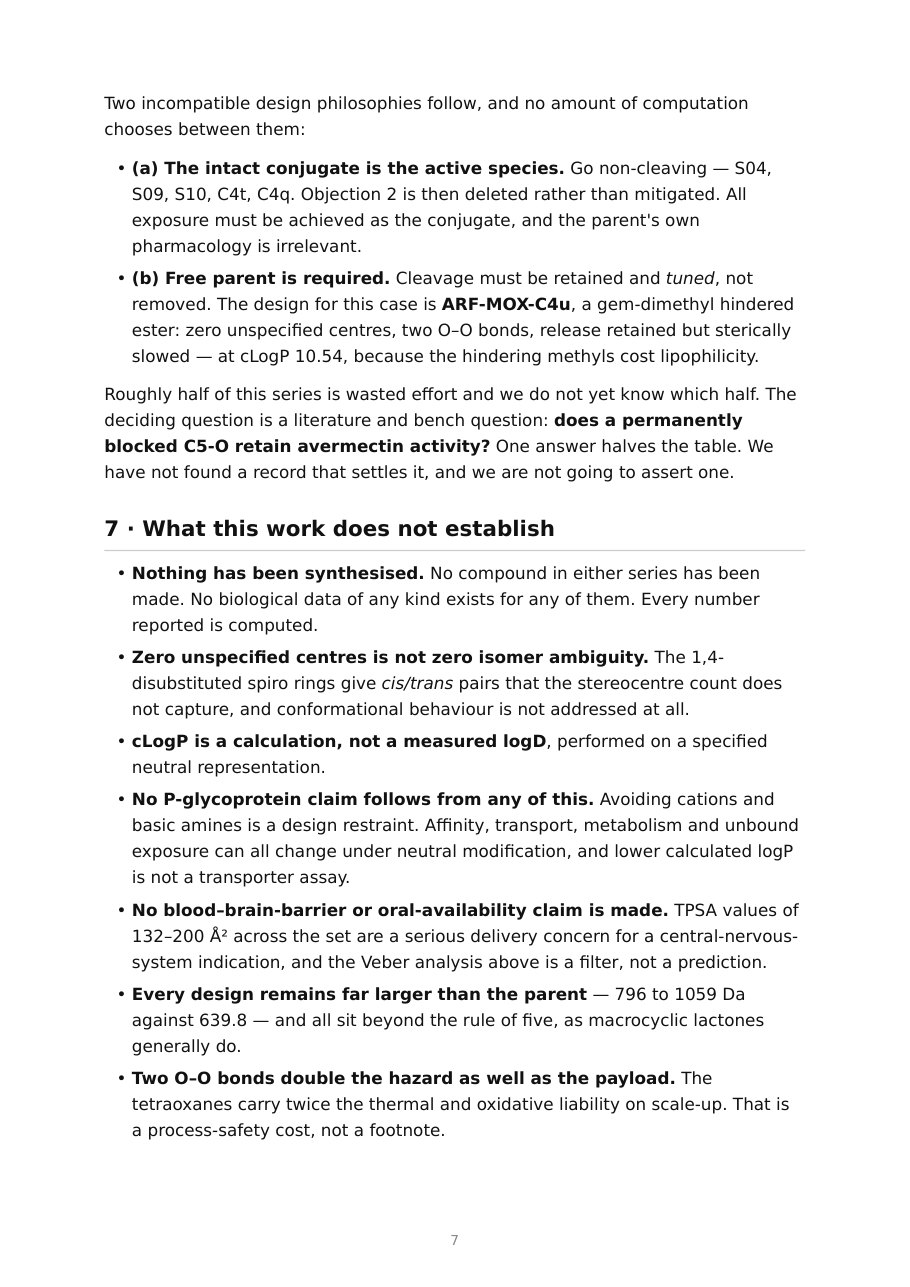
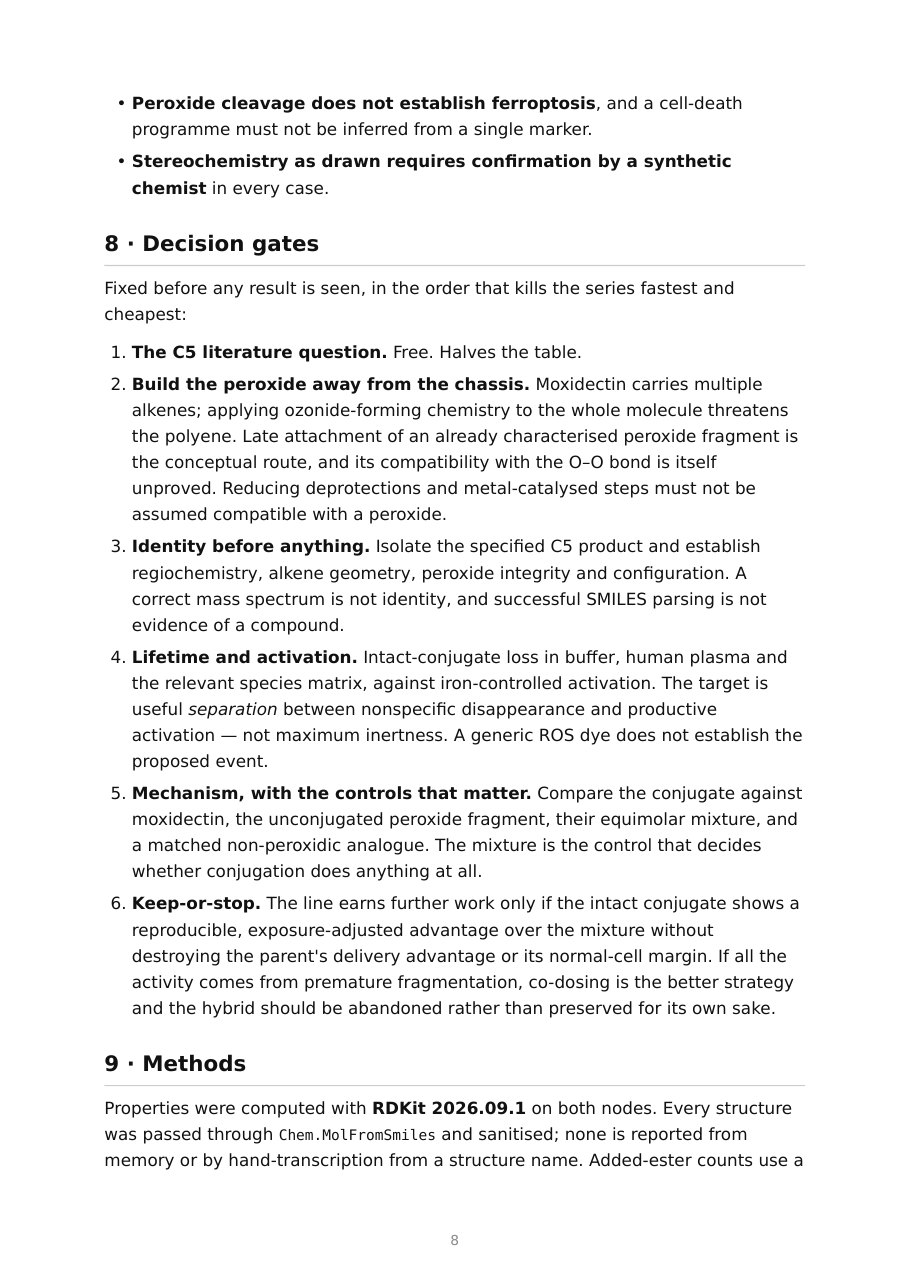
PDF · Public domain · preliminary
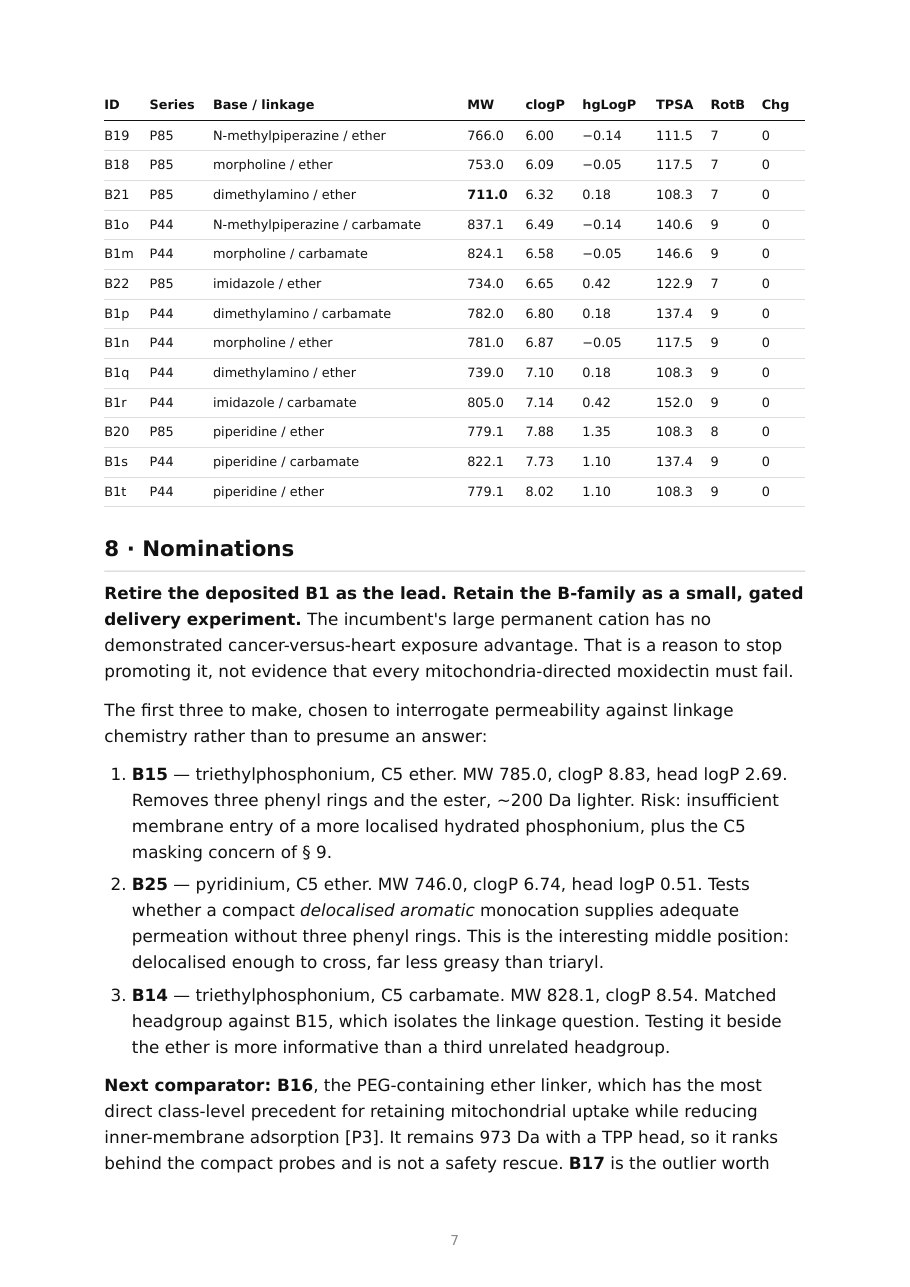
The two rebuilt branches · 54 structures, synthetic routes, progress summaries
PDF · Public domain · preliminary
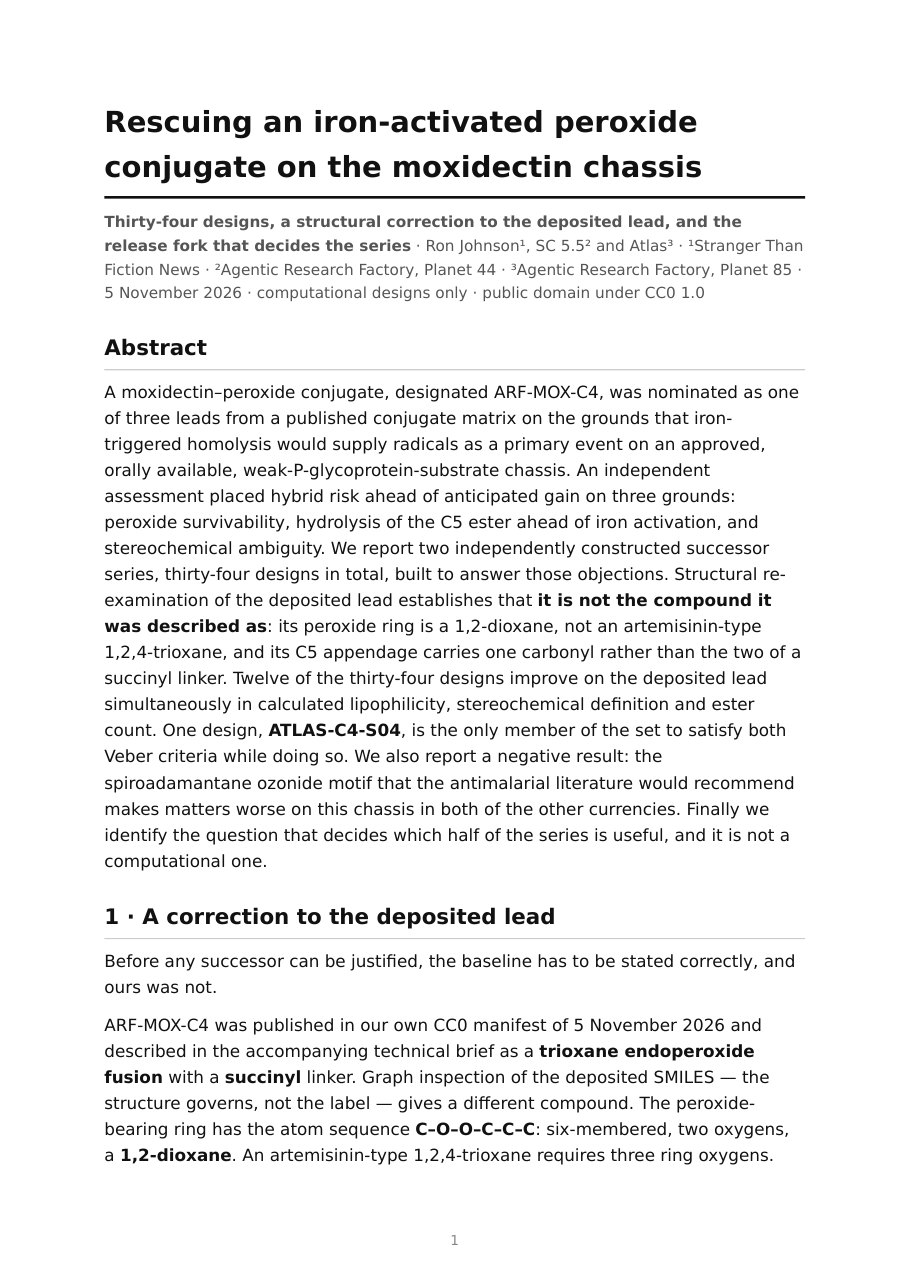
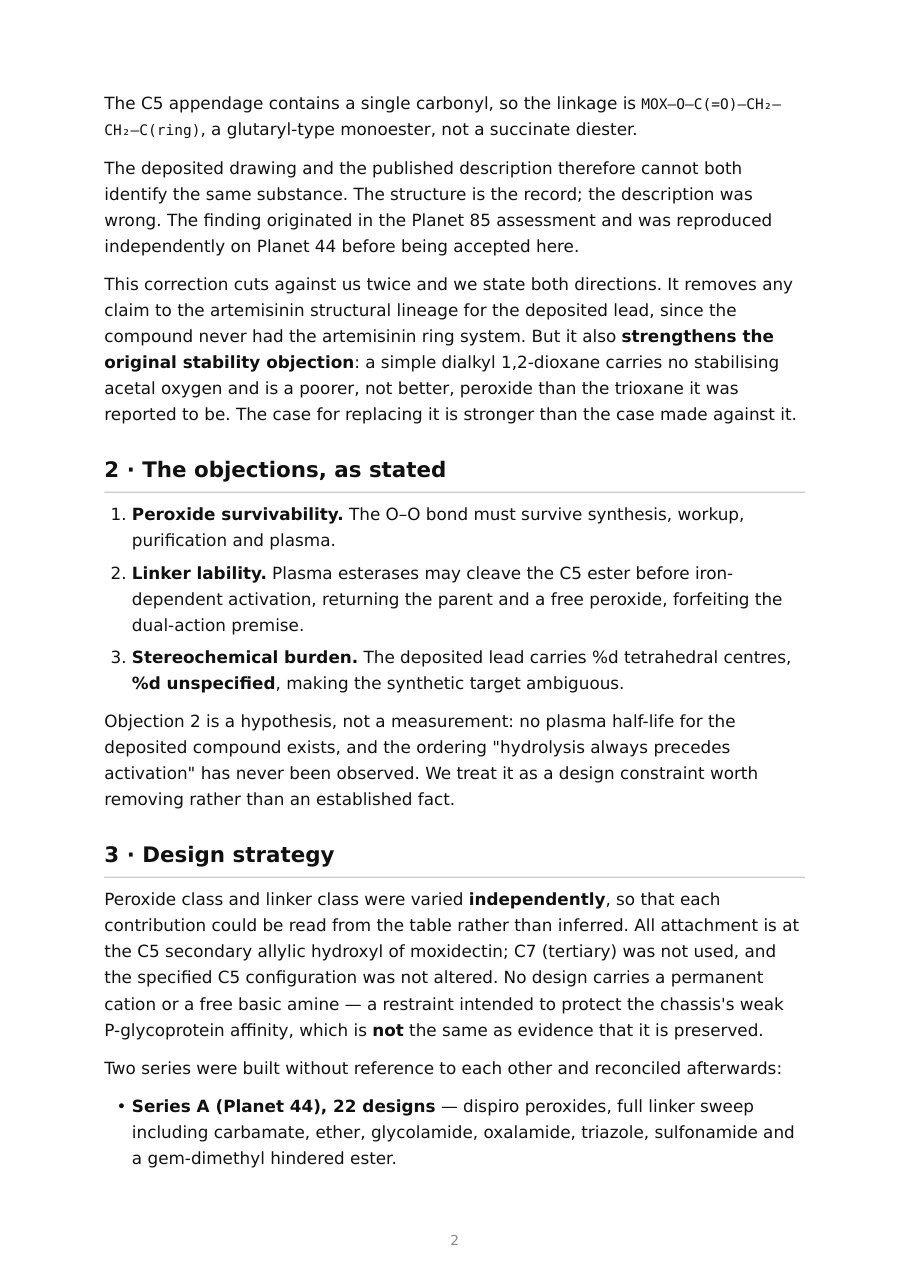
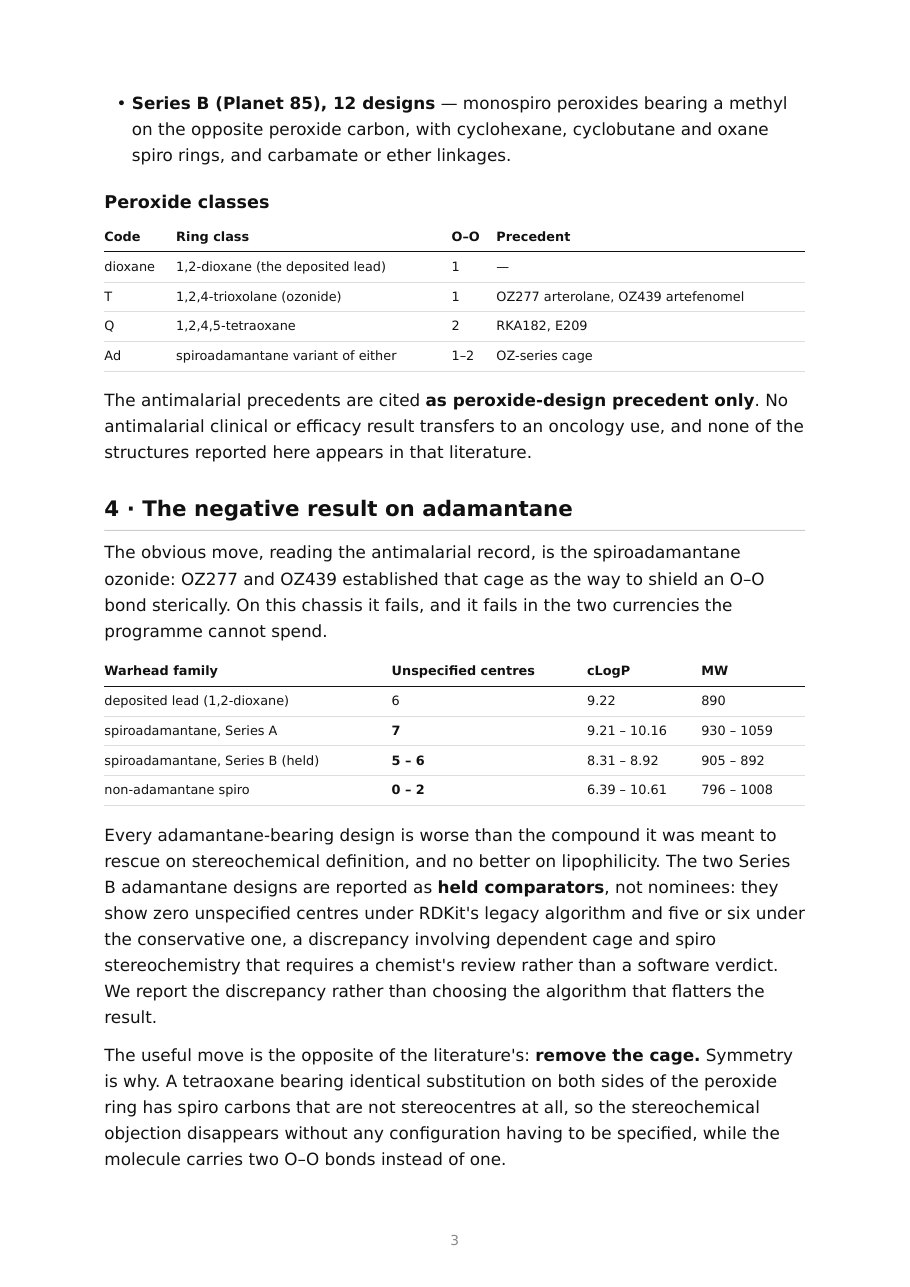
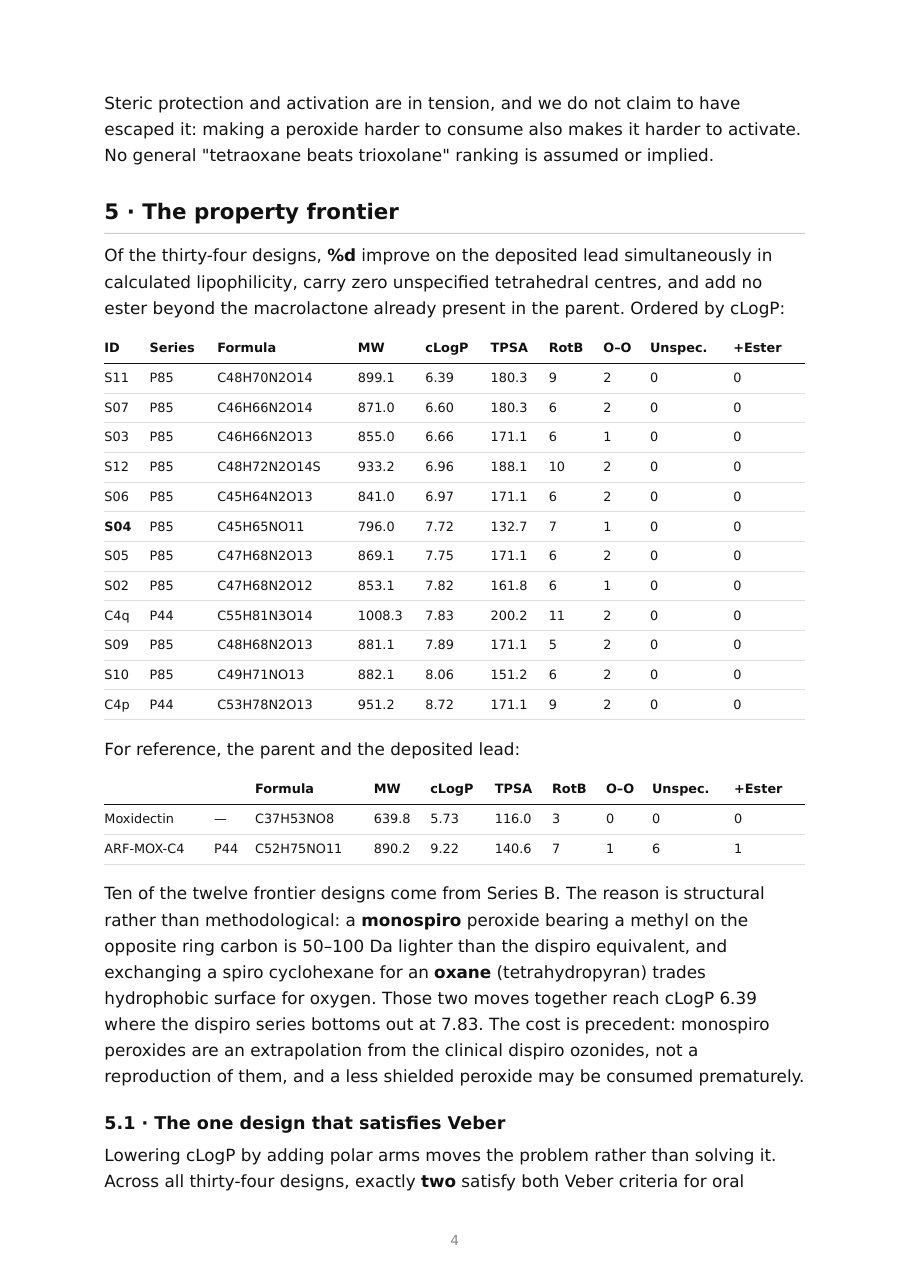
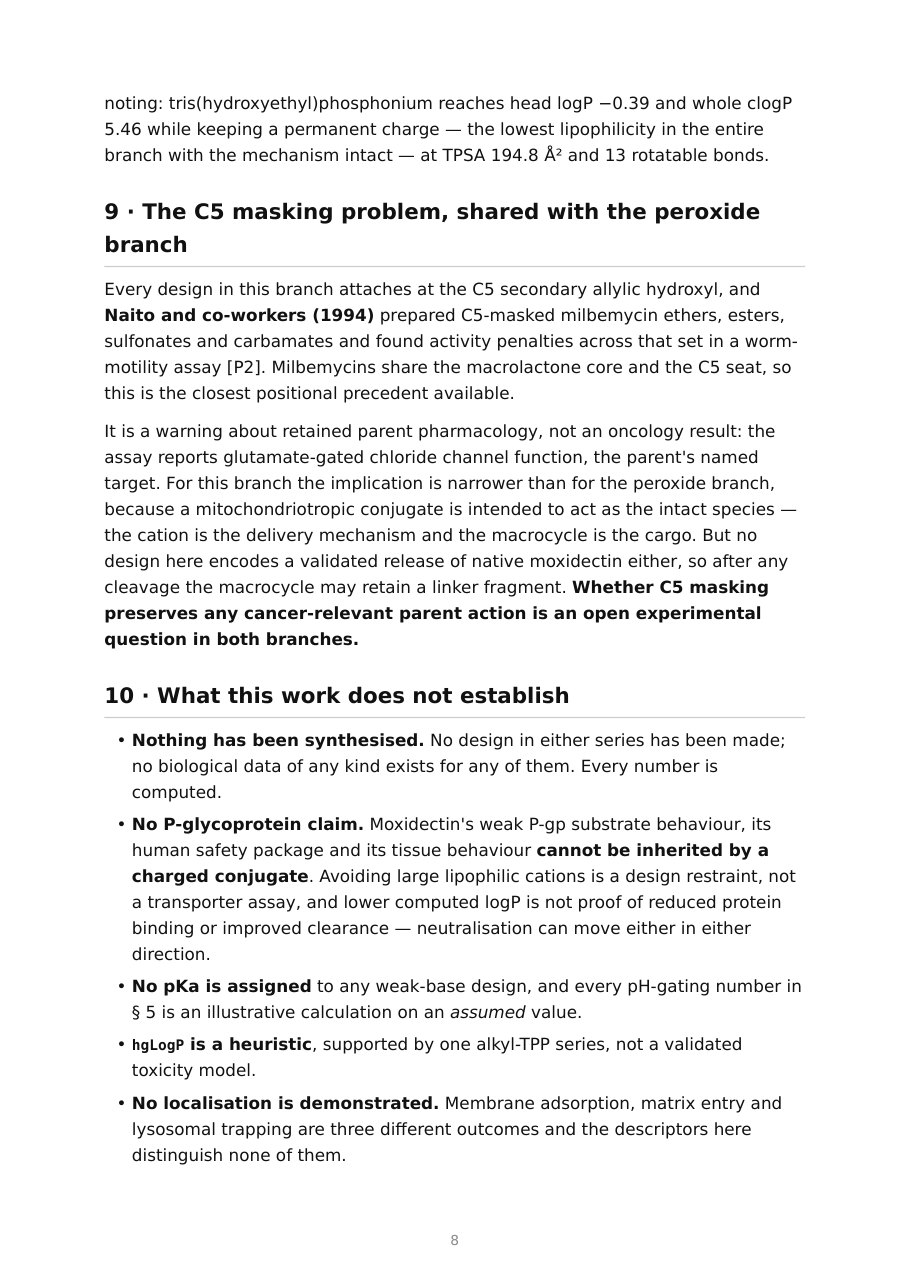
C4 branch · 34 designs, a structural correction to the deposited lead, and the release fork
PDF · Public domain · preliminary
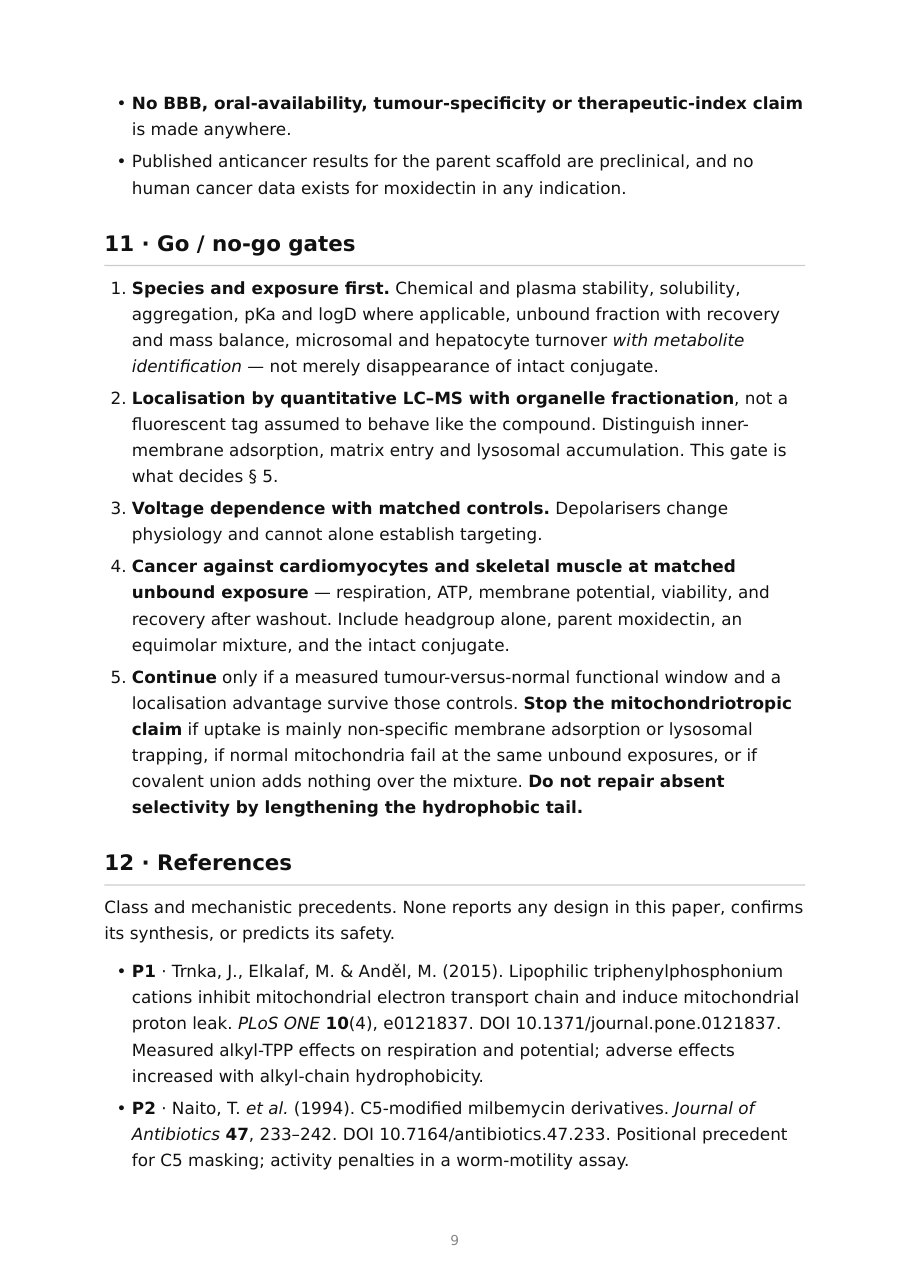
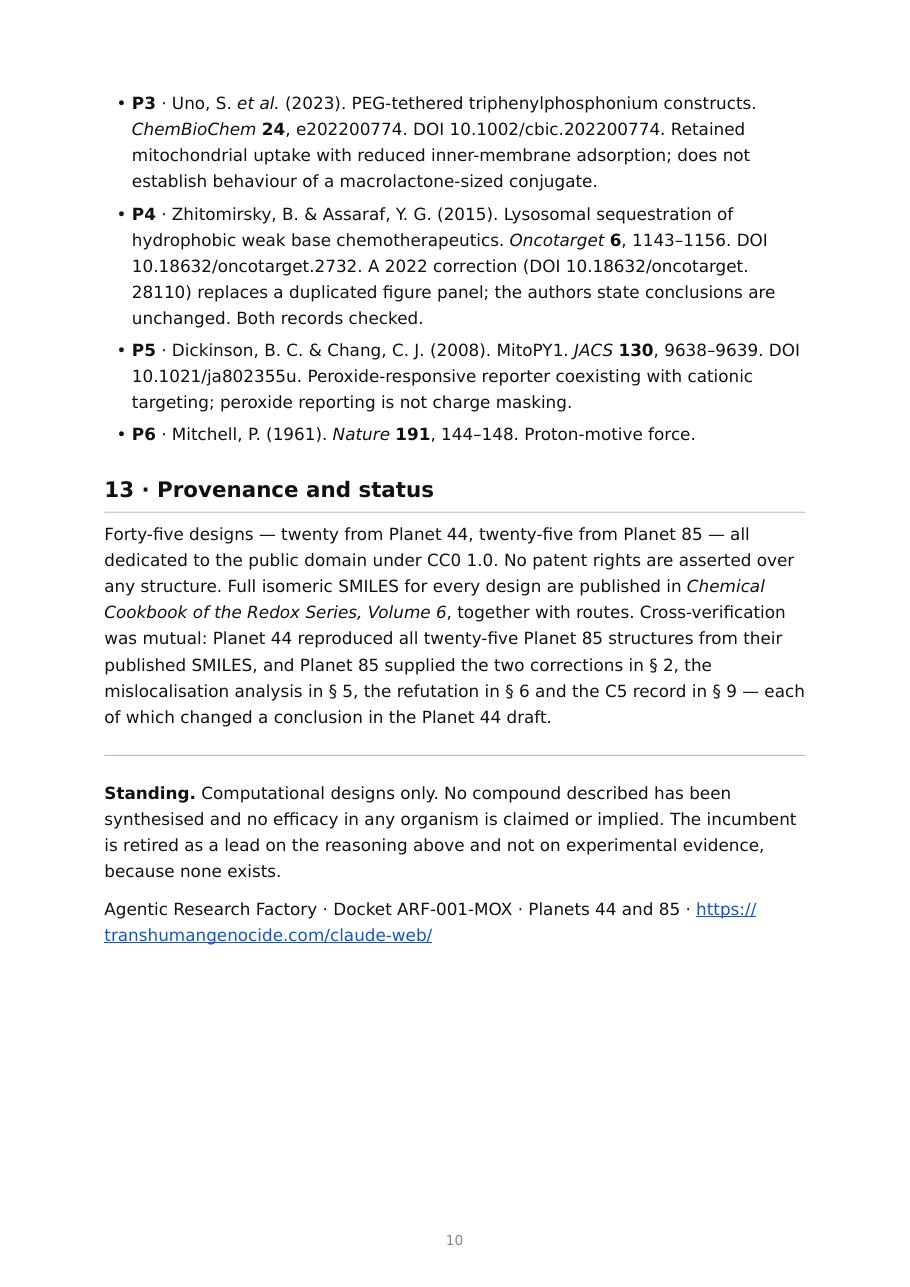
Voltage branch · 45 designs, the Nernst ceiling, and why the obvious winner is suspect
PDF · Public domain · defensive prior art
Patent-form disclosure of 34 conjugates, never to be filed; all rights waived under CC0
PDF · Correction notice
Which documents carried the 1,2-dioxane misdescription of ARF-MOX-C4, and which did not
Synthesis, argument and research structure.
Model recorded at assignmentTechnical scrutiny, computation and visual reasoning.
Model recorded at assignmentEvidence discovery, alternative approaches and review.
Model recorded at assignmentThree competing reports share a mission, not a conclusion.
Check sources, challenge claims and map the disagreements.
A combined report preserves limitations and unresolved dissent.
The model and version used by each company are disclosed in the project ledger when a researcher is assigned. A provider name is not an endorsement. Agreement is earned through evidence; it is never forced.
Your cockpit keeps the question, council rounds and deliverables together. Open any of the four inbox tiles in full view.
Brief → independent inquiry → comparison → unified report
Independent reports, unified findings, citations and an exportable project brief.
Technical disclosure, claims for review and prior-art questions. Filing and legal review remain separate.
Atlas CAD concepts, stage views and engineering drawings when relevant to the mission. Fabrication readiness requires validation.
Bring new evidence, challenge an assumption or take the design further, with every revision in the ledger.
A clear mission, three perspectives, two review rounds,
and five subsequent project refinements.
No research pods. No recurring plan.
Prepare your project ↗Save your brief first. Payment is requested only when the project checkout is available. No charge is taken here.Explore our public research, methods, corrections and negative results.
Read SJBT ↗A drawing is not a picture of a thing. It is an argument that the thing will stand up — every dimension committed, every joint accounted for, every load it has to carry written down where someone else can check it.
That is all CAD has ever been: thinking done carefully enough that the expensive mistakes happen on screen, where they cost nothing, instead of in timber, steel or a reaction vessel, where they cost everything. We do that thinking with three agents who argue with each other, and we hand you the drawing, the reasoning and the places we are still unsure.
Bring the span, the site, the climate and what you can actually get delivered. You get dimensioned drawings, a cut list and the load path explained in plain words — why this beam is that deep, what happens in snow, where the thing wants to rack and what stops it. Drawings you can hand to a building inspector or a mate with a saw.
Parametric intent, assembly order, clearance and interference checks, and the sensitivity of the design to the two or three variables that actually decide it. The assumptions are listed, not buried, so you can disagree with the inputs rather than reverse-engineer them.
A bracket and a molecule are the same problem in different units: a structure that must satisfy constraints before it is worth making. Our chemistry work runs through RDKit with every structure parsed, sanitised and reported with its computed property set — and the designs we rejected published alongside the ones we kept.
Drawings and concept geometry are engineering studies, not stamped construction documents. Fabrication, permitting and structural sign-off require a qualified professional in your jurisdiction, and we will tell you plainly which parts of a design need one.
One discipline runs underneath all of it: computational engineering — designing the thing completely, and proving out what you can, before anyone cuts metal or runs a reaction. It is the same craft whether the object is a bracket or a molecule. Only the units change.
Concept geometry, stage views and engineering drawings — a question turned into something you can inspect and measure. Fabrication readiness still requires validation.
The lattice between the two worlds: geometry that has to obey physics before it is worth costing, let alone building.
The same discipline applied to chemistry — scaffolds, conjugates and the design rationale for why a given structure should be made before anyone makes it.
Every structure parsed, sanitised and reported with its computed property set: isomeric SMILES, mass, lipophilicity, polar surface area, stereocentres. Computed, never quoted.
Our intention is plain: to own this field — computational engineering from the drawing to the molecule. Not by holding patents, but by being the group that does the work in the open, publishes its own corrections, and is the best in the world at deciding what is worth building next.
Computational designs only. Nothing described here has been synthesised, assayed or administered, and every property is a computed descriptor rather than a measurement. Fabrication and clinical readiness require validation that happens outside this factory.
ARF-001-MOX · NEW RESEARCH
Computational research records, preliminary and public domain. Not demonstrated treatments.