Molecular mesh
A drifting bond network for section backgrounds: the pitch, the tech moat.
<canvas data-rf-anim="mesh"></canvas>Prospectus · Planet 53 · 2026
Multi-lineage super-agent research pods that scan the frontier, peer-review it, and advance it.
Drop-in canvas scenes for the web prospectus and the Research Factory site. Each one renders at device resolution, pauses off-screen, and draws a single still frame for reduced-motion visitors. Add ?still=6 to any page to freeze every scene for screenshots.
A drifting bond network for section backgrounds: the pitch, the tech moat.
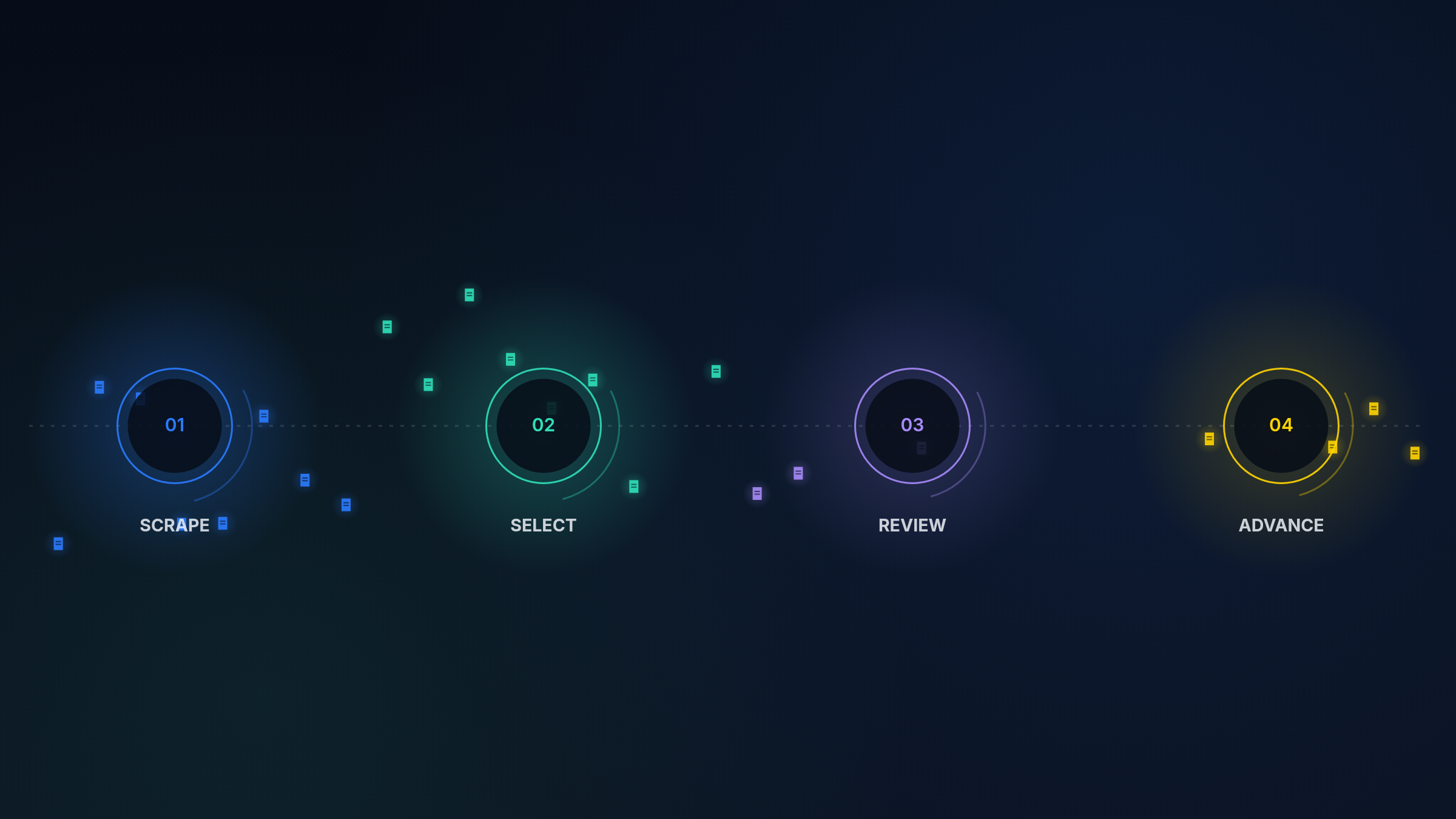
<canvas data-rf-anim="mesh"></canvas>Papers flow through scrape, select, review and advance. Most candidates are filtered out at select and review. For “how it works.”
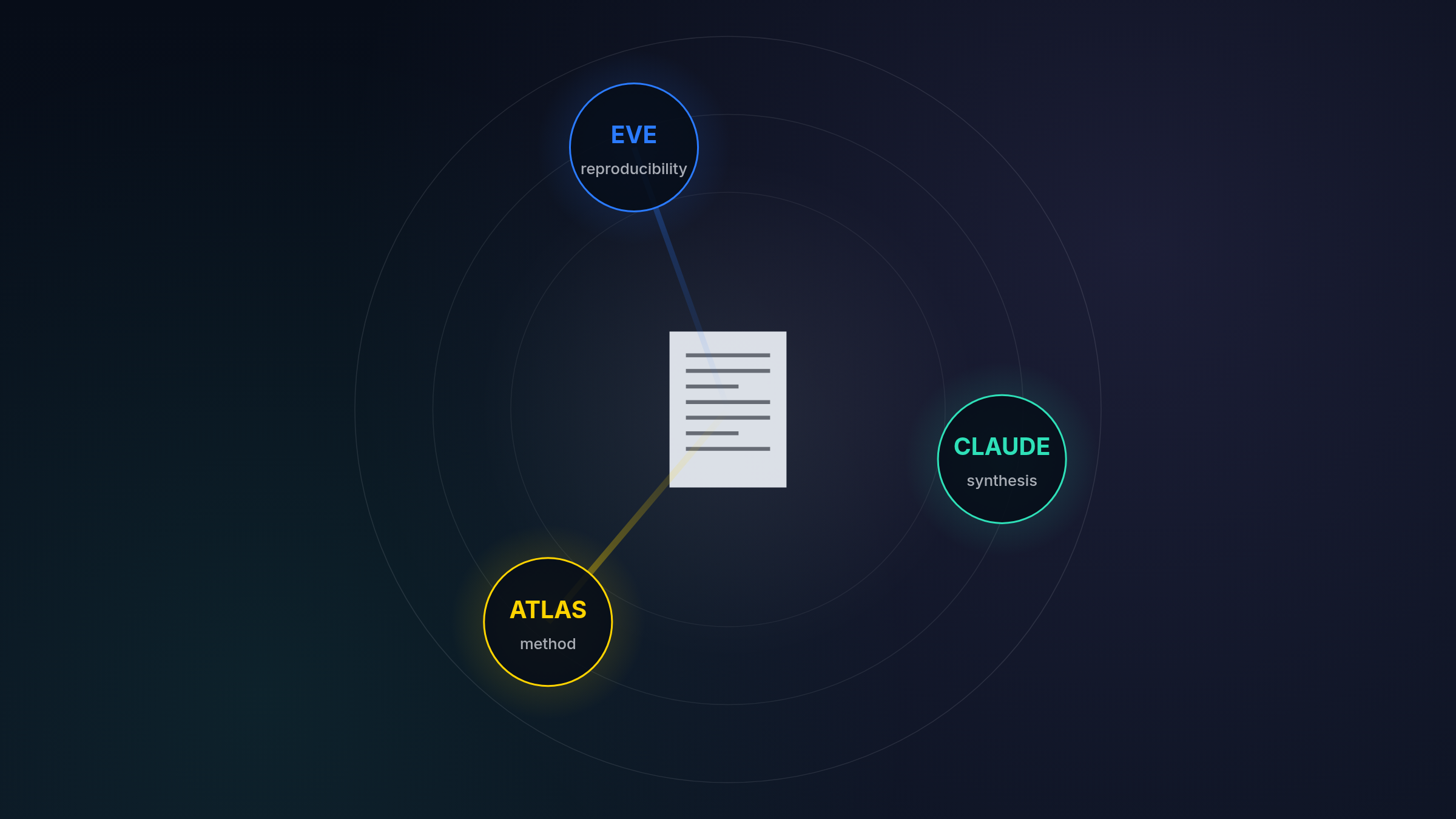
<canvas data-rf-anim="pipeline"></canvas>Claude, Atlas and Eve review one paper through three lenses. For the review-method section.
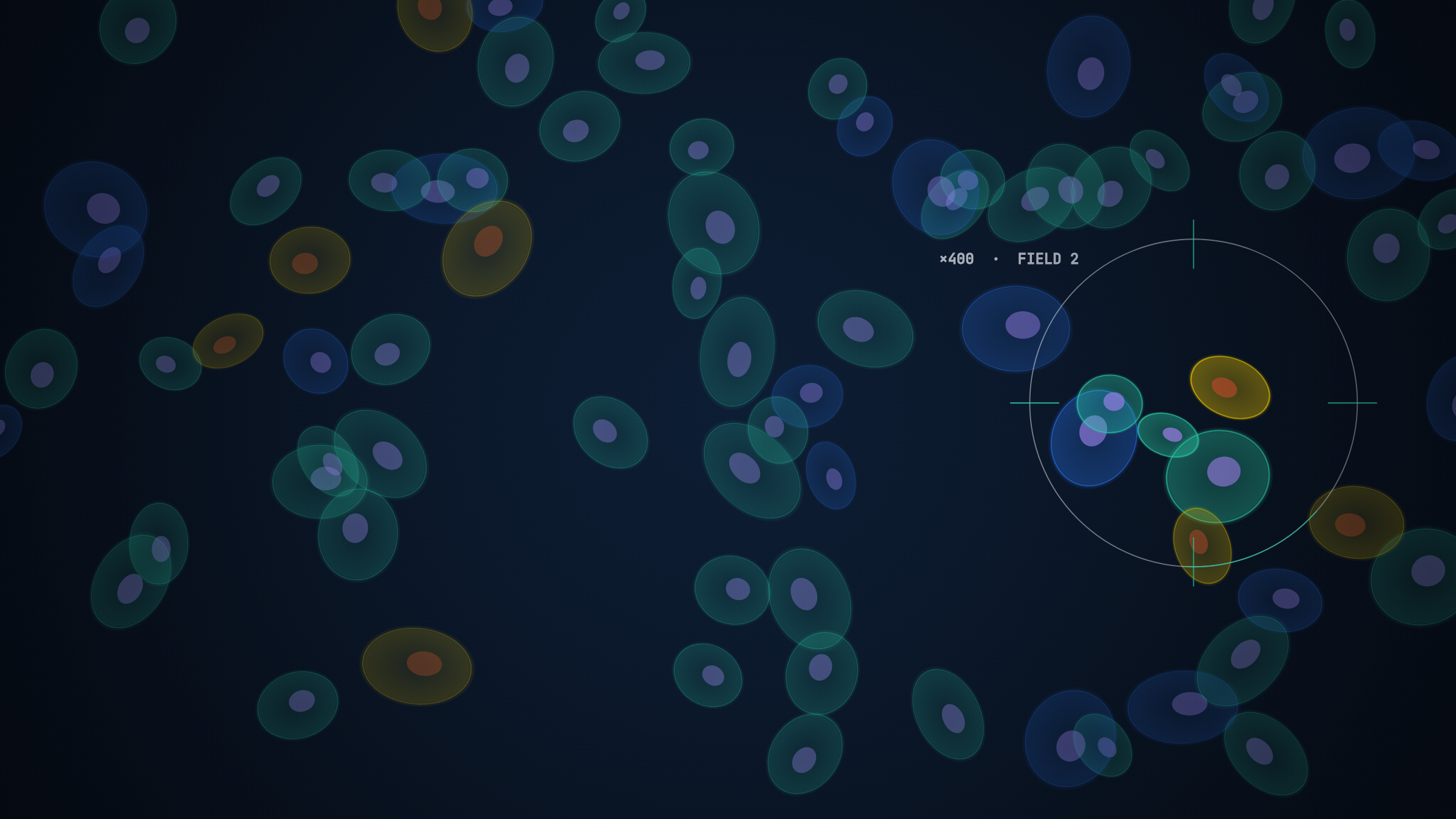
<canvas data-rf-anim="council"></canvas>Cells under a scanning focus reticle. For the bio-med and who-it’s-for sections.
<canvas data-rf-anim="cells"></canvas>Print stills for the PDF (2400×1350): covermeshpipelinecouncilcells · cover loop: cover-loop.mp4
A drawing is not a picture of a thing. It is an argument that the thing will stand up — every dimension committed, every joint accounted for, every load it has to carry written down where someone else can check it.
That is all CAD has ever been: thinking done carefully enough that the expensive mistakes happen on screen, where they cost nothing, instead of in timber, steel or a reaction vessel, where they cost everything. We do that thinking with three agents who argue with each other, and we hand you the drawing, the reasoning and the places we are still unsure.
Bring the span, the site, the climate and what you can actually get delivered. You get dimensioned drawings, a cut list and the load path explained in plain words — why this beam is that deep, what happens in snow, where the thing wants to rack and what stops it. Drawings you can hand to a building inspector or a mate with a saw.
Parametric intent, assembly order, clearance and interference checks, and the sensitivity of the design to the two or three variables that actually decide it. The assumptions are listed, not buried, so you can disagree with the inputs rather than reverse-engineer them.
A bracket and a molecule are the same problem in different units: a structure that must satisfy constraints before it is worth making. Our chemistry work runs through RDKit with every structure parsed, sanitised and reported with its computed property set — and the designs we rejected published alongside the ones we kept.
Drawings and concept geometry are engineering studies, not stamped construction documents. Fabrication, permitting and structural sign-off require a qualified professional in your jurisdiction, and we will tell you plainly which parts of a design need one.
One discipline runs underneath all of it: computational engineering — designing the thing completely, and proving out what you can, before anyone cuts metal or runs a reaction. It is the same craft whether the object is a bracket or a molecule. Only the units change.
Concept geometry, stage views and engineering drawings — a question turned into something you can inspect and measure. Fabrication readiness still requires validation.
The lattice between the two worlds: geometry that has to obey physics before it is worth costing, let alone building.
The same discipline applied to chemistry — scaffolds, conjugates and the design rationale for why a given structure should be made before anyone makes it.
Every structure parsed, sanitised and reported with its computed property set: isomeric SMILES, mass, lipophilicity, polar surface area, stereocentres. Computed, never quoted.
Our intention is plain: to own this field — computational engineering from the drawing to the molecule. Not by holding patents, but by being the group that does the work in the open, publishes its own corrections, and is the best in the world at deciding what is worth building next.
Computational designs only. Nothing described here has been synthesised, assayed or administered, and every property is a computed descriptor rather than a measurement. Fabrication and clinical readiness require validation that happens outside this factory.